
The Renovation Regrets We See Most Often (And How to Avoid Them)
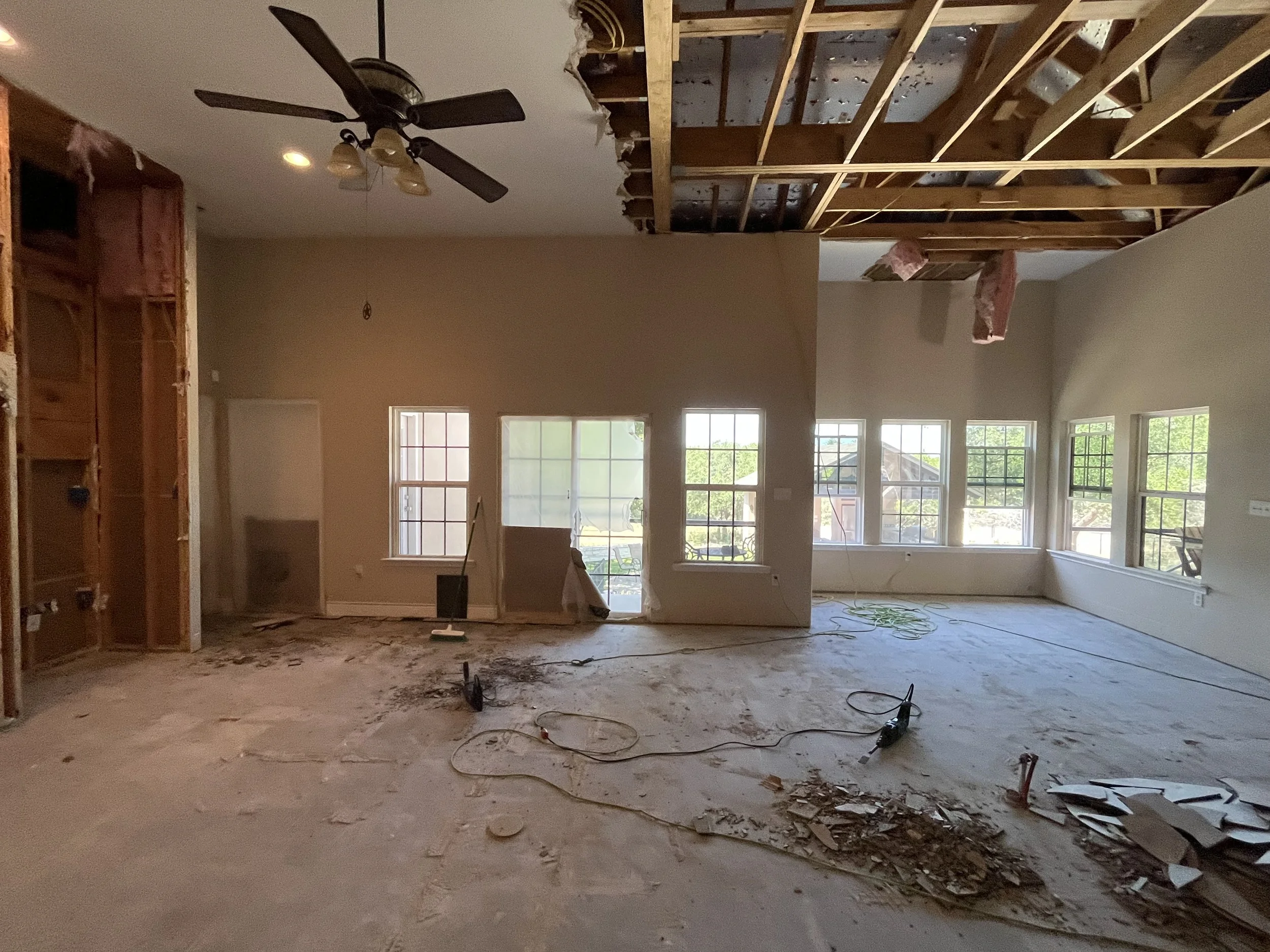
A home renovation is one of the most significant investments a homeowner can make—not only financially, but emotionally as well. Most of our clients come to us excited about the possibilities: a more functional kitchen, a beautiful primary suite, better storage, or a home that finally reflects the way they want to live.
Yet after years of leading whole-home renovations and remodeling projects, we've noticed a common theme: homeowners rarely regret renovating. What they do regret are the decisions made along the way.
The good news? Most renovation regrets are completely avoidable.
One of the greatest benefits of working with a professional interior designer is having an experienced advocate who can help you anticipate challenges before they become costly mistakes. A designer's role extends far beyond selecting finishes—we help create a comprehensive plan, coordinate countless decisions, and ensure the final result is both beautiful and functional.
Here are some of the most common renovation regrets we see and how you can avoid them.
1. Starting Without a Comprehensive Plan
One of the biggest mistakes homeowners make is jumping into construction before fully understanding the scope of their project.
It's tempting to tackle one room at a time or begin construction as soon as possible, but making decisions as you go often leads to costly changes, delays, and frustration.
How to Avoid It
Invest time in creating a clear plan before construction begins. This includes:
Defining your goals for the project
Establishing a realistic level of investment
Finalizing layouts
Selecting materials and finishes
Understanding the project timeline
This is where an experienced interior designer brings tremendous value. Before construction begins, we help homeowners think through hundreds of decisions that impact how a home will function, feel, and perform long after the project is complete. A thoughtful design plan creates clarity for everyone involved and minimizes costly surprises during construction.
2. Prioritizing Trends Over Lifestyle
Design trends come and go, but your home should support your daily life for years to come.
We've seen homeowners fall in love with a trend on social media only to discover later that it doesn't fit their family's routines or practical needs.
How to Avoid It
Before making a design decision, ask yourself:
"Will I still love this five years from now?"
Focus first on functionality, comfort, and timeless design. Trends can be incorporated thoughtfully, but they should never drive the entire project.
The most successful homes are designed around the people who live in them, not around what's currently popular online.
3. Underestimating Storage Needs
Storage may not be the most exciting part of a renovation, but it's often one of the most important.
Many homeowners focus on aesthetics and overlook how much storage they actually need until after they've moved back into the space.
How to Avoid It
Think carefully about how you use each room.
Consider:
Everyday items that need a designated place
Seasonal storage needs
Kitchen appliances and serving pieces
Linens and household supplies
Hobby or workspace storage
One of the advantages of working with a designer is that we're trained to think beyond what a space looks like and focus on how it functions. We ask questions homeowners often don't think to ask and identify opportunities to create storage solutions that feel intentional rather than added as an afterthought.
Good design isn't just about creating beautiful spaces…it's about creating homes that work beautifully.
4. Making Selections Too Late
Few things create delays more quickly than waiting until construction is underway to make important selections.
Cabinetry, plumbing fixtures, lighting, tile, and flooring often have lead times that can significantly impact a project schedule.
How to Avoid It
Whenever possible, finalize selections before construction begins.
This allows:
Accurate pricing
Better coordination
Fewer surprises
A smoother construction process
One of the most overlooked benefits of hiring a designer is project preparedness. We create comprehensive specifications and selections before construction starts, helping contractors (or us) order materials on time and reducing the likelihood of delays caused by last-minute decisions.
5. Not Planning for the Unexpected
Even the best-planned renovations can uncover surprises, especially in older homes.
Hidden plumbing issues, outdated electrical systems, mold, structural concerns, or unforeseen conditions behind walls are more common than many homeowners realize.
How to Avoid It
Build a contingency fund into your level of investment from the beginning.
A contingency allowance helps reduce stress and provides flexibility if unexpected conditions arise during construction.
Think of it as preparation, not pessimism.
6. Focusing Only on Today's Needs
Many homeowners renovate based solely on their current lifestyle without considering how their needs may evolve over time.
For many of our clients, especially empty nesters, the goal is creating a home they can enjoy for years to come.
How to Avoid It
Consider future needs when planning your renovation.
Questions to ask include:
Will you be entertaining more often?
Do you expect children or grandchildren to visit frequently?
Are there accessibility considerations to think about?
Will you need flexible spaces for hobbies, work, or guests?
A well-designed home adapts with you through different seasons of life.
7. Trying to Manage Every Detail Yourself
With endless inspiration available online, many homeowners assume they can manage the design process themselves. What they often don't anticipate is the sheer number of decisions, coordination efforts, and problem-solving required throughout a renovation.
From reviewing floor plans and selecting materials to coordinating with contractors and addressing unforeseen challenges, a renovation can quickly become overwhelming.
How to Avoid It
Surround yourself with experienced professionals.
A professional interior designer serves as both a creative partner and a strategic guide throughout the process. We help homeowners:
Develop a cohesive vision
Avoid costly mistakes
Balance beauty and functionality
Make confident decisions
Coordinate countless moving parts
Advocate for their best interests throughout construction
Protecting their investment through project completion
While hiring a designer is an investment, many homeowners find that expert guidance ultimately saves both time and money by helping them avoid expensive errors and decision fatigue.
8. Assuming Your Contractor Will Handle the Design
One of the most common misconceptions we encounter is the belief that hiring a general contractor eliminates the need for an interior designer. So. Not. True.
While there are certainly contractors who have a great eye for aesthetics and can offer valuable input, design and construction are two distinct professions with different responsibilities and areas of expertise.
A contractor's primary role is to manage and execute the construction process. They coordinate trades, oversee schedules, obtain permits, manage subcontractors, and ensure the work is completed according to the plans and specifications provided by the designer.
An interior designer's role begins much earlier.
We are responsible for developing the vision for the home, creating functional layouts, specifying materials and finishes, planning lighting, designing cabinetry and millwork, considering furniture placement, evaluating how the space will be used, and ensuring every detail works together cohesively.
Simply put:
The contractor builds it. The designer plans it.
Without a comprehensive design plan, homeowners are often asked to make hundreds of decisions during construction—many of them under pressure and without understanding how those decisions will impact the finished result.
When a designer and contractor work together from the beginning, each professional can focus on what they do best. The designer develops the roadmap, and the contractor brings that vision to life.
The result is typically a smoother process, fewer costly changes, clearer communication, and a home that not only functions beautifully but reflects the homeowner's lifestyle and goals.
The most successful renovation projects are rarely the result of a single professional doing everything. They are the result of experienced professionals collaborating as a team on behalf of the client.
CONCLUSION
Many homeowners are surprised to learn that hiring a contractor and hiring a designer are not interchangeable decisions. A contractor is an expert in construction; a designer is an expert in planning, functionality, aesthetics, and the overall client experience. When both professionals are involved early, homeowners benefit from a project that is not only built well, but thoughtfully designed from the ground up.
Most renovation regrets don't stem from choosing the wrong paint color or countertop material. They happen when important decisions are rushed, overlooked, or made without a clear plan.
The most successful renovation projects begin with thoughtful preparation, expert guidance, and a team that understands both the creative and technical aspects of the process.
As interior designers, our role is to help homeowners see the bigger picture—to identify opportunities they may not have considered, anticipate challenges before they arise, and create homes that are not only beautiful but tailored to the way they live.
When design decisions are rooted in function, purpose, and long-term goals, the result is more than a beautiful home; it's a home that serves your family well for years to come.
If you're considering a renovation, partnering with a professional interior designer early in the process can provide clarity, confidence, and peace of mind from the first design meeting through the final installation.
Because the best renovations aren't just beautiful when they're finished…they feel right every day you live in them.
If you’re ready to do that long-awaited renovation, let us show you what’s possible! Complete our Contact Form to see how we can work together to create something incredible.